

ESD Trolleys
ESD Trolleys are used for safely transporting static sensitive components around an electrostatic protected area (EPA). Designed to be grounded through a grounded ESD floor.
-
 Buy Now
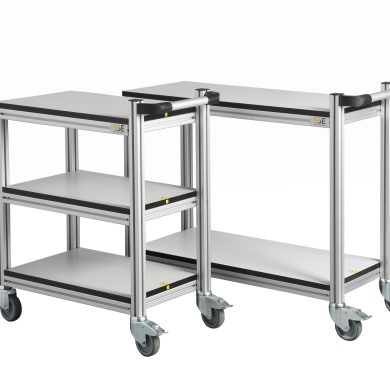
Kitehawke® Aluminium ESD Shelf Trolleys
-
 Buy Now
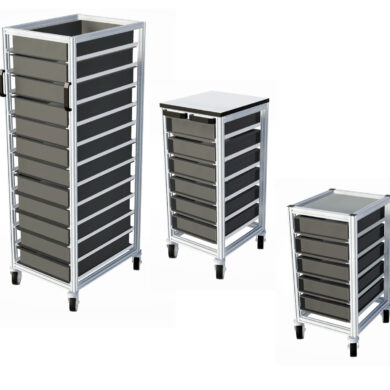
Kitehawke® Aluminium ESD Container Trolleys
-
 Buy Now
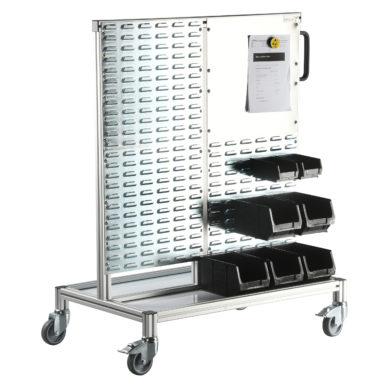
Kitehawke® Louvred Panel ESD Trolleys
-
 Buy Now
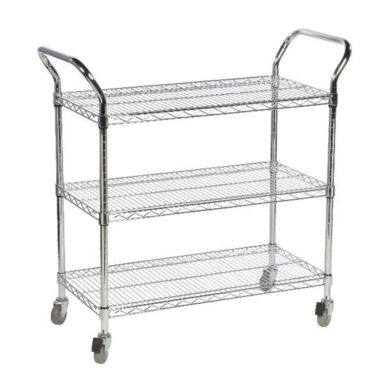
Chrome Plated Wire ESD Shelf Trolleys
-
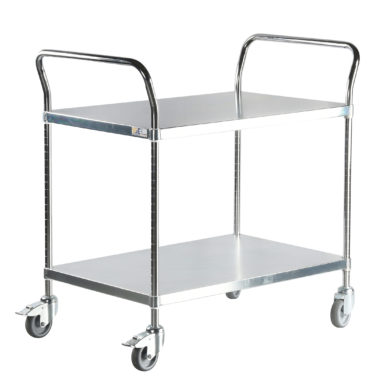 Buy Now
Galvanised Steel Solid Shelf ESD Trolleys
-
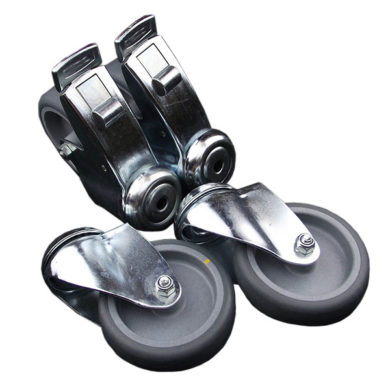 Buy Now
Shelving & Trolley Grounding Accessories
-
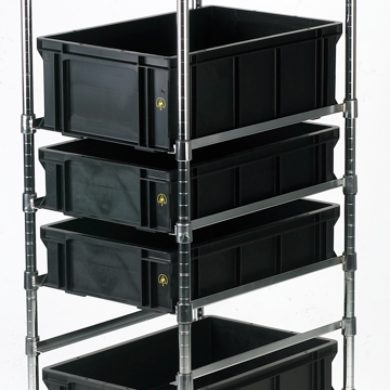
Chromeline Conductive ESD Container Trolley
From: £205.00Buy Now -
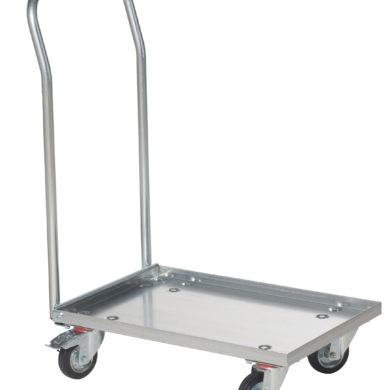
Galvanised ESD Container Transit Trolley
£145.00Buy Now -
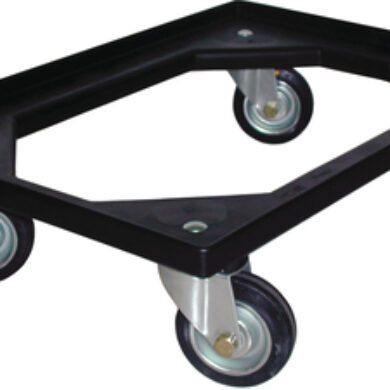
Wez Conductive Polypropylene ESD Container Dolly
£160.00Buy Now
How to Select the Right ESD Trolley
When selecting a compliant ESD Trolley for protecting against ESD damage, look for stated compliance to BS EN 61340-5-1 and supporting standards, test data to back up compliance, and materials used in the construction.
An ESD Trolley should include a permanent conductive or dissipative shelf/ surface, a metal frame and fixings to provide an electrical path to the castors, and conductive castors to provide a reliable ground through an ESD floor.
All Trolleys offered by SSE fully meet the above requirements and a Certificate of Conformance can be provided if required.
Separate to the ESD compliance, the next factor to establish is the required function of the trolley? Is it being used for large or heavy components and equipment, or is a trolley needed to stack conductive or dissipative containers in, or to store picking bins on for production use.
A good starting point is the Kitehawke ESD Trolley range, designed and built by SSE to provide high performing ESD protection with long lasting, heavy duty, smooth and stable use.
Only high quality components are used, from the heavy duty 20mm thick dissipative ESD laminate and MDF shelves on the shelf trolleys, to the very low static charge generating and tribocharging aluminium profile and conductive castors (<1 MΩ). Popular in all sectors, including Defence, Aerospace, Automotive and Data Centres.
Bespoke options of all Kitehawke Trolley options are available, contact us to discuss your requirements.
Other trolleys are available for less frequent and lighter weight use. These include the Chromeline and solid galvanised shelf range, to small light weight dollys for just moving containers.
If you are unsure of which trolley best suits your needs, contact us for guidance.
Frequently Asked Questions
Why use ESD Trolleys?
ESD trolleys are designed to safely transport electrostatic discharge sensitive (ESDS) electronic components, assemblies, and equipment.
What is ESD?
ESD stands for Electrostatic Discharge – the sudden transfer of static electricity between objects. Even a discharge too small for a person to feel can damage components such as PCBs, sensors, and semiconductors.
What are ESD Trolleys?
Designed to ground the shelf surfaces through the frame and castors to a grounded ESD floor, an ESD trolley typically has conductive or static dissipative shelves and surfaces, conductive wheels/castors, and an electrical path that allows accumulated charge to dissipate safely rather than building up. Compliant ESD trolleys must conform to BS EN 61340-5-1. All of the trolleys SSE offer for sale conform and a Certificate of Conformance can be supplied on request.
What is the difference between an ESD trolley and an ordinary trolley?
The key distinction is that an ordinary trolley is designed primarily for carrying things, whereas an ESD trolley is designed both to carry things and control electrostatic charge.
Where are ESD Trolleys used?
Normally used in an ESD Protected Area (EPA), ESD trolleys are commonly used in electronics manufacturing, PCB assembly, laboratories, cleanrooms, repair facilities, and semiconductor production. For example, after PCBs have been assembled at one workstation, an ESD trolley can be used to move them to inspection or testing without introducing unnecessary risk of ESD damage.
Do ESD Trolleys need maintaining?
Yes, regular testing to ground is important to ensure the trolley continues to perform. This should be documented. Over time damage to the electrical path, contamination to the shelf surfaces, and build up of dirt on the castors can all contribute to an ESD trolley failing to make a consistent and reliable ground connection to the ESD floor.
Regular cleaning of the castors/ wheels and the shelf surfaces helps maintain the performance of ESD trolleys. Only use untreated water and ESD compliant cleaners. Cleaners not suitable for use with ESD equipment risk creating an insulative barrier to the conductive or dissipative points of contact.
What to do if an ESD Trolley fails a resistance to ground test?
Take out of service immediately and quarantine. Investigate cause and repair or replace.