

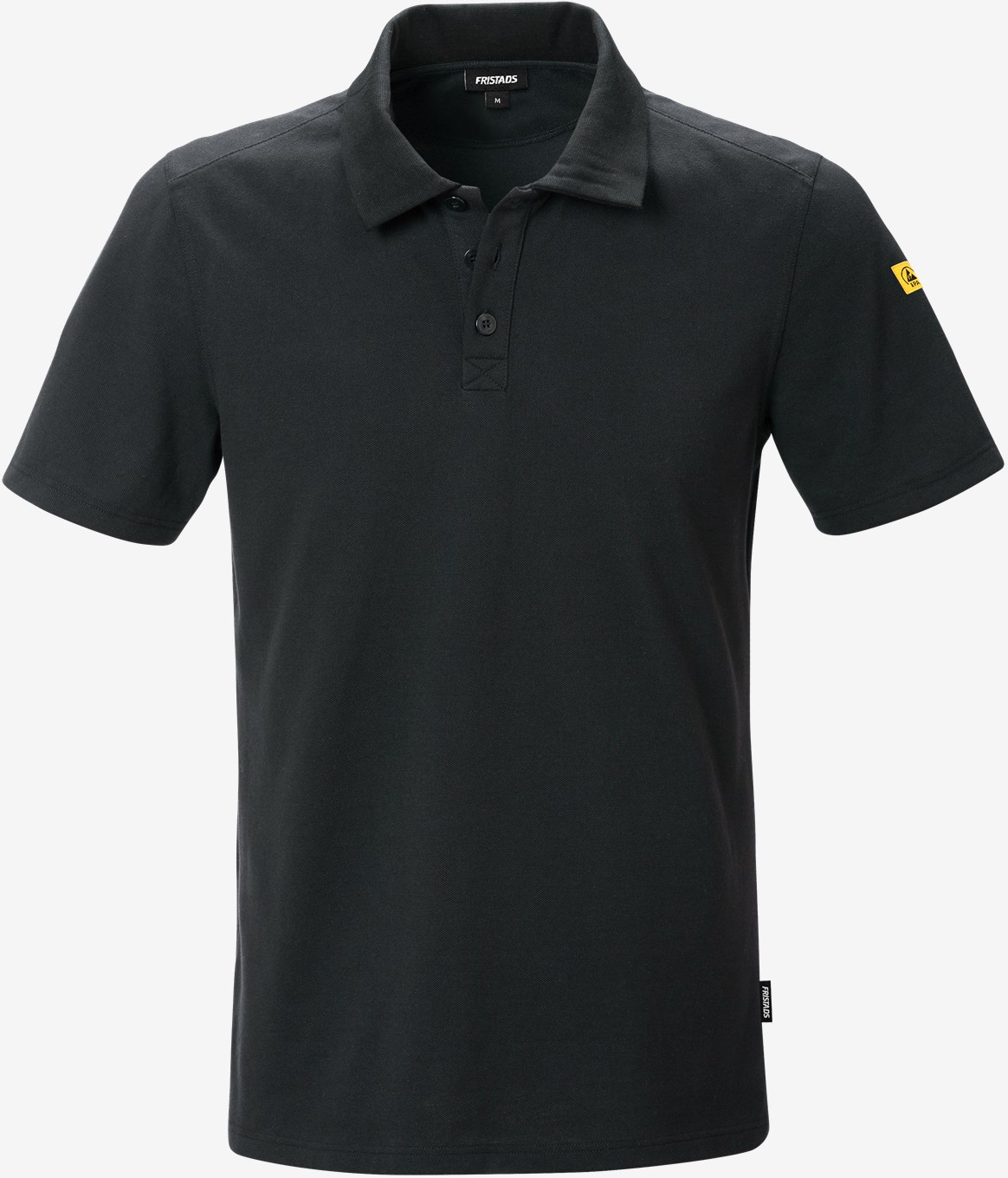
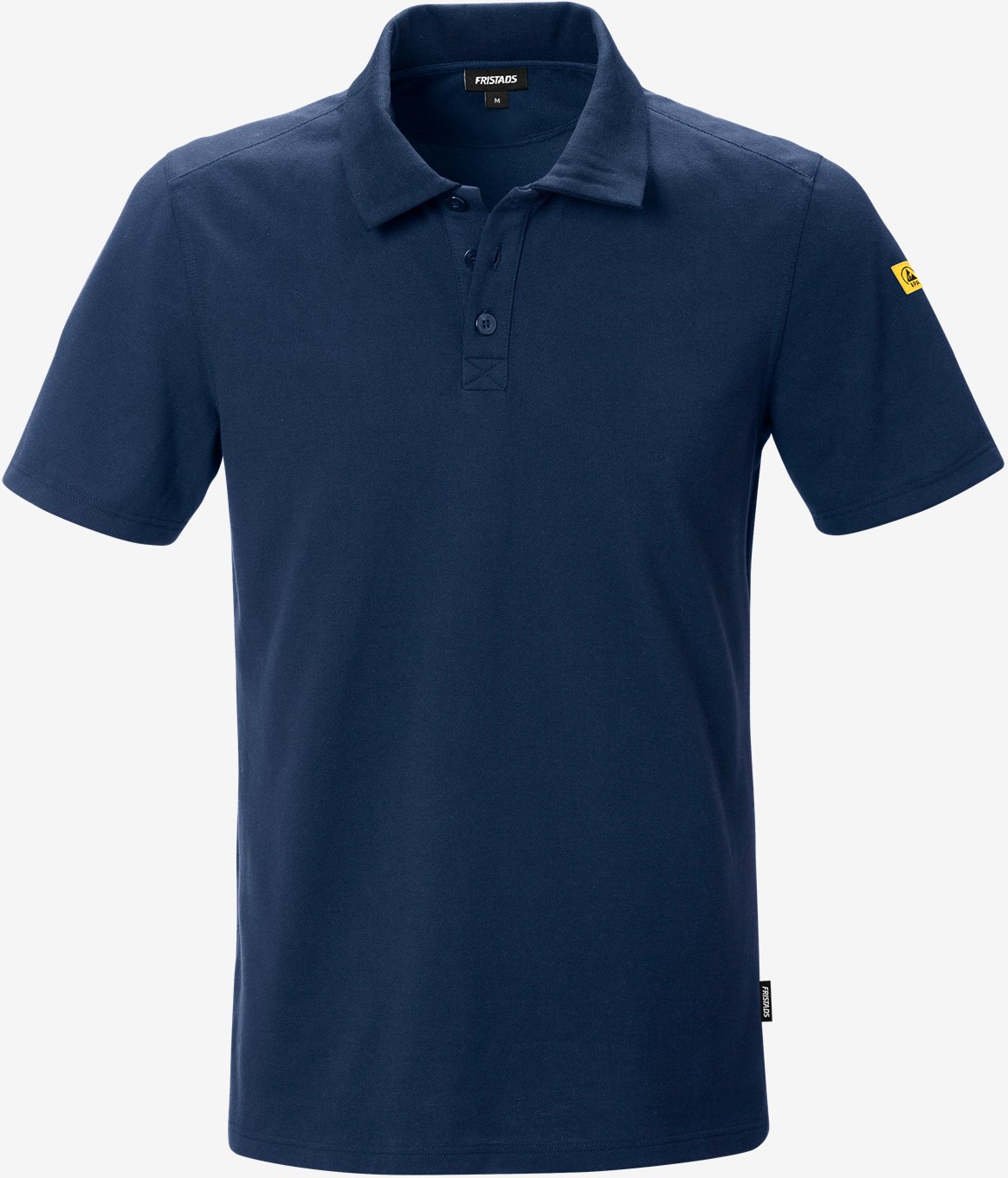
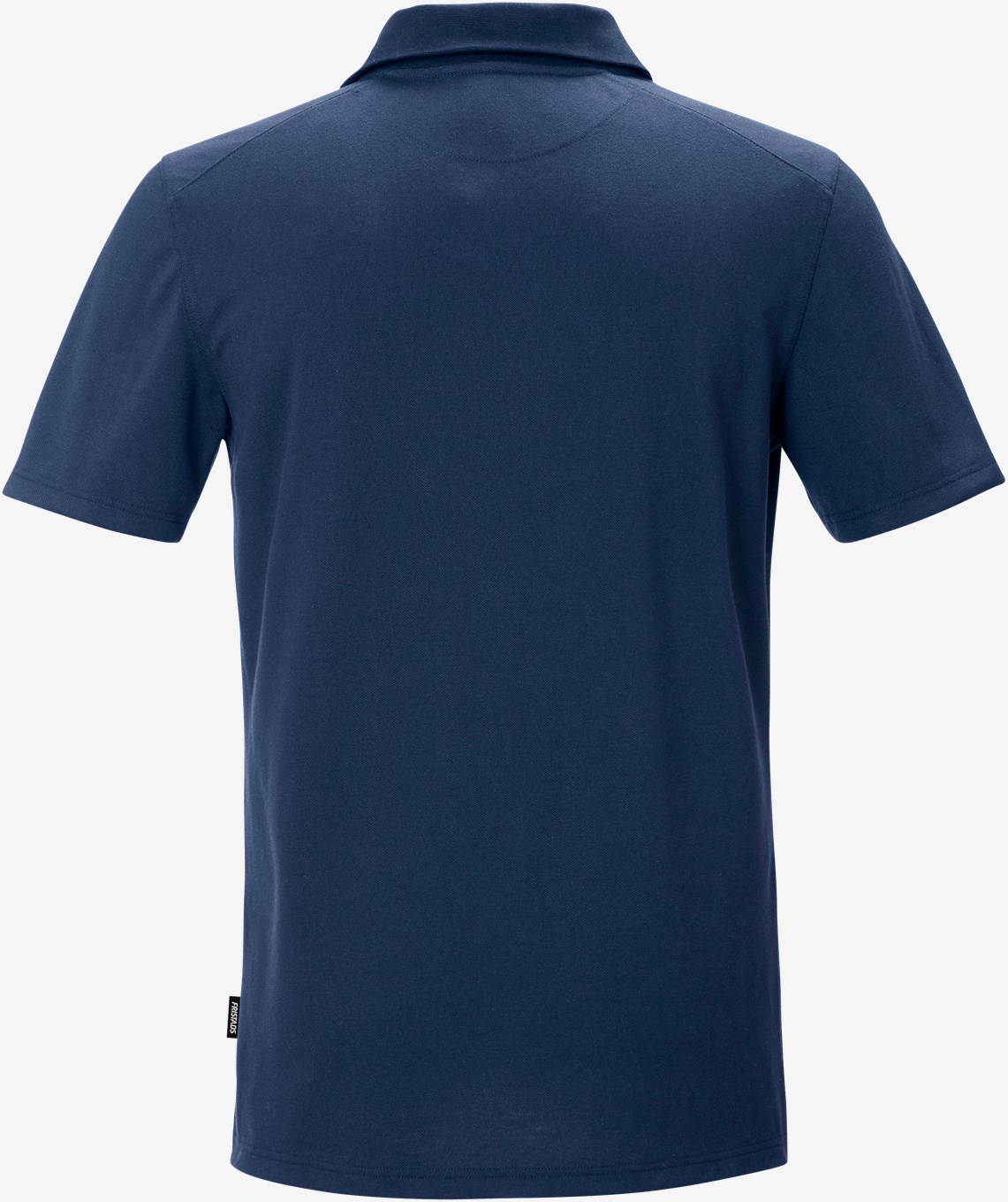



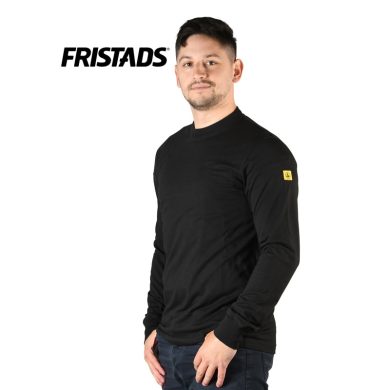
FRISTADS ESD Polo Shirt
FRISTADS ESD Polo Shirt is a premium quality classic anti-static polo shirt. Made with woven conductive fibres for people working in EPAs (Electrostatic Protected Environments) as part of the ESD Control Plan, reducing the risk of electrostatic discharge.
Available in Black or Navy with yellow ESD identification label on the sleeve.
Click here for the full Fristads ESD Clothing Range
A carriage charge of £30.00 applies to all orders for Fristads ESD garments.
Browser not supported
We recommend that you use the latest version of Chrome, Edge or Firefox.
Available Options:
Technical Specification
ESD polo shirt, part of the Fristads ESD and anti-static clothing range (click here for the full range).
Located in Borås – Sweden, Fristads have been manufacturing premium quality workwear since 1925.
Benefits include a high cotton content for comfort and interwoven conductive fibres for continued ESD performance even after many washes. High temperature wash and iron for commercial grade cleaning.
For hygiene purposes clothing is not returnable. This does not effect your statutory rights.
Key features:
- Short-sleeved anti-static work shirts with three button polo collar
- Colour: Black or Dark Navy with yellow ESD identification label on the sleeve
- Material: 48% cotton, 48% polyester, 4% conductive fibres
- Weight: 210 g/m²
- Certified to IEC 61340-5-1 and OEKO-TEX Certified
- PHAS free
- High temperature 60 degree cleaning, low tumble dry, and 120 degree iron for commercial cleaning
Further information:
Why is an ESD Polo Shirt needed?
ESD polo shirts, or other anti-static workwear, reduces the risk of static generation and ESD events from clothing by dissipating any generated static through the clothing. ESD Performance should comply with IEC 61340-5-1 to ensure safe to use in an EPA. All SSEs anti-static workwear complies with 61340-5-1.
What is the difference between an ESD or anti-static polo-shirt and standard clothing?
Standard clothing may contain high levels of potentially charging material such as a manmade fabrics and are unlikely to contain any conductive fabric for dissipating any generated charge. The Fristads ESD Polo contains a high level of cotton (a naturally lower charging fabric to man made fabrics) combined with a high conductive tread content at 4%.
I have been told that 100% cotton is low charging and therefore suitable for use in an EPA?
Cotton by itself is not reliably low-charging and therefore adequate for reliable ESD protection. Cotton can have lower static build up than some synthetics in certain conditions, but it doesn’t behave like ESD compliant fabric.
Key differences between cotton and ESD fabric:
Moisture-dependent properties
Cotton naturally absorbs water from the air and body (sweat), which can reduce static charge because the moisture helps dissipate electrical charge. In higher humidity, cotton may generate less static than many synthetics. However, in dry environments (like climate-controlled laboratories or colder months), cotton can lose moisture, losing any dissipative properties.
Conductive Pathways
For true ESD protection, materials need conductive or static-dissipative pathways (e.g. carbon or metal fibres woven into the cloth) so charges can safely dissipate away. Pure cotton lacks these conductive elements, so it cannot reliably dissipate charge in critical settings.
ESD Standards
ESD standards (such as IEC 61340) define performance ranges for surface resistance and discharge control. Trusted ESD garments are made with static dissipative or conductive fibres, often in polyester/cotton blends with conductive yarn. Only clothing certified to these standards can reliably be used in an EPA to help minimise ESD.
What should I look for when selecting ESD workwear?
It depends on individual requirements, if industrial grade cleaning is to be used then a high wash and iron temperature rating and perhaps able to be tumble dried. Any tumble drying is likely to be low and generally bleach and dry cleaning not recommended so as not to degrade the conductive fibres.
Apart from this, perhaps a good cotton blend for wearer comfort and good conductive thread content for ESD performance and longevity.
Most important is that the workwear complies with BS EN IEC 61340-5-1.