

ESD Shoes & ESD Safety Shoes
Sievi ESD shoes safely dissipate static electricity into an ESD floor to protect sensitive electronic components in controlled environments. Suitable for electronics manufacturing, laboratories, clean rooms and EPAs (Electrostatic Protected Areas).
Browse our full range of Sievi ESD shoes below, including trainers, safety footwear and cleanroom styles.
-

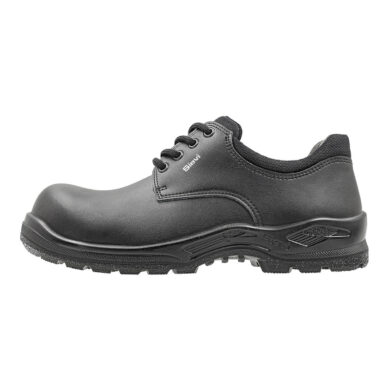
Sievi Auto S2 ESD Safety Shoes
£80.00Buy Now -
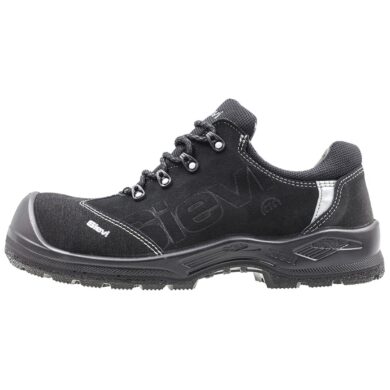
Sievi Elixir XL+ S3L ESD Safety Shoes
£99.00Buy Now -
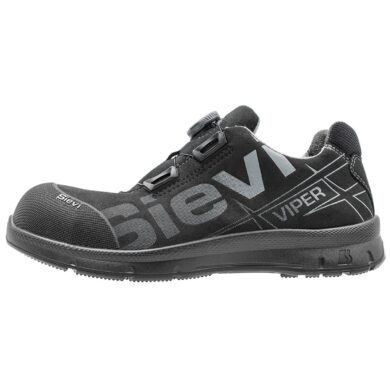
Sievi Viper 3 Roller S3 ESD Safety Shoes
£120.00Buy Now -
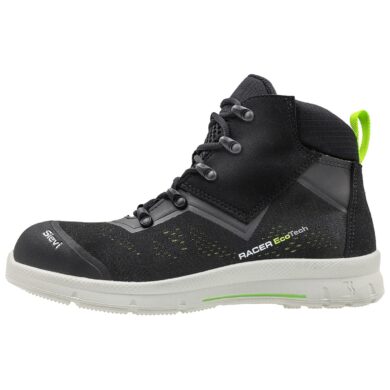
Sievi Racer EcoTech H S3 ESD Safety Boots
£95.00Buy Now -
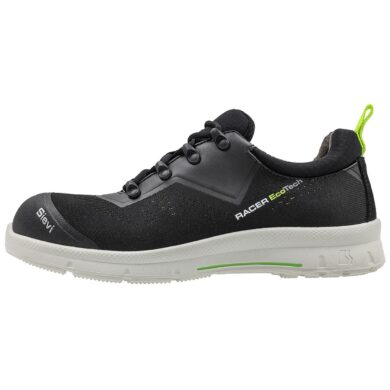
Sievi RACER EcoTech S3 ESD Safety Shoes
£114.00Buy Now -
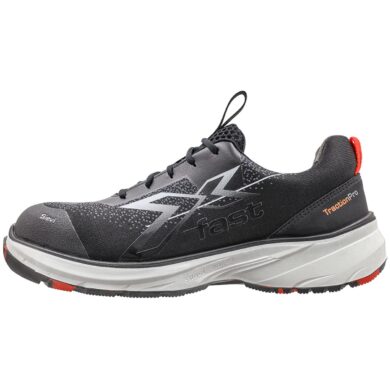
Sievi FastX DFlex S3S ESD Safety Trainers
£130.00Buy Now -
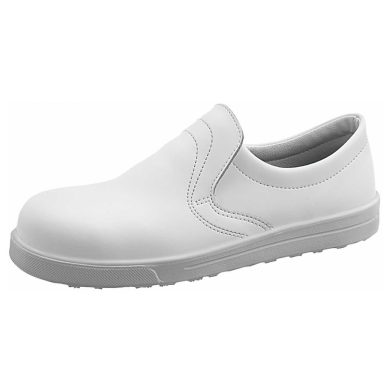
Sievi Alfa White S2 ESD Cleanroom Safety Shoes
£80.00Buy Now -
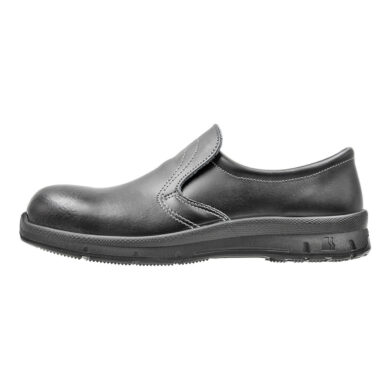
Sievi Alfa Black S2 ESD Safety Shoes
£79.00Buy Now -
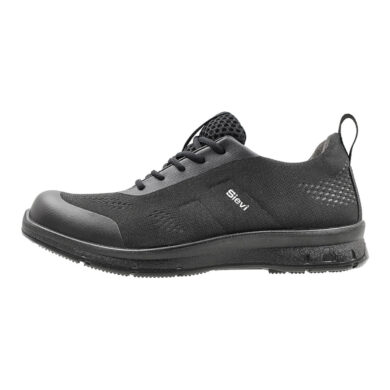
Sievi Fly Fresh ESD Trainers
£98.00Buy Now -
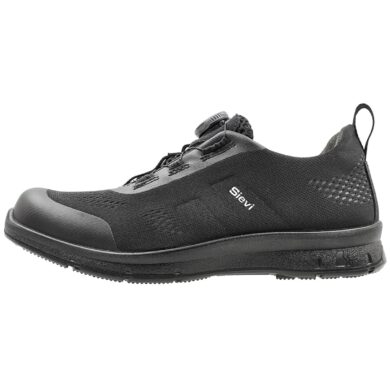
Sievi Fly Fresh Roller ESD Trainers
£120.00Buy Now -
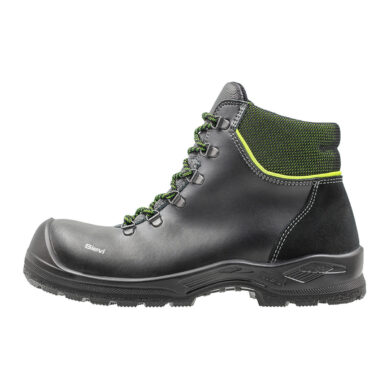
Sievi Matador High S3 ESD Safety Boots
£99.00Buy Now -
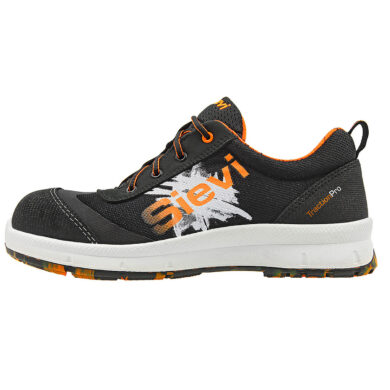
Sievi Racer TR S2 ESD Safety Shoe
£130.00Buy Now -
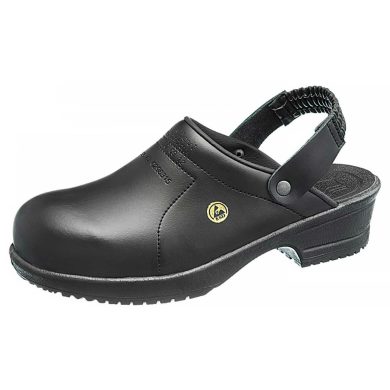
Sievi File Black ESD Clogs
£60.00Buy Now -
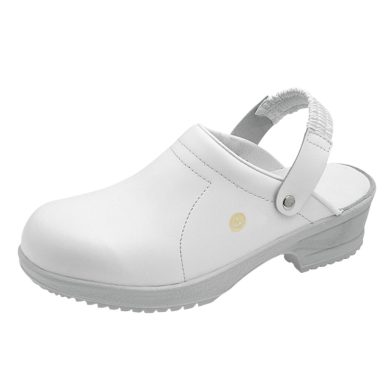
Sievi File White Cleanroom ESD Clogs
£57.00Buy Now -
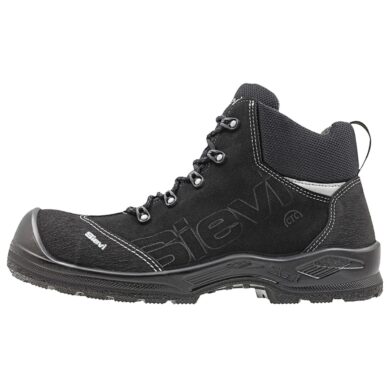
Sievi Elixir High XL+ S3L ESD Safety Boots
£105.00Buy Now -
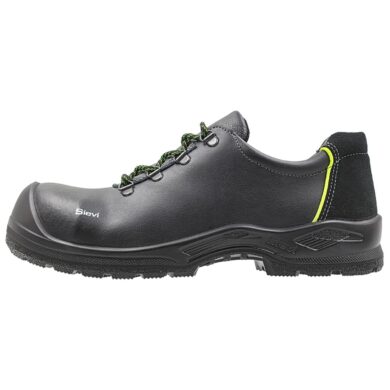
Matador XL+ S3 ESD Safety Shoes
£85.00Buy Now -
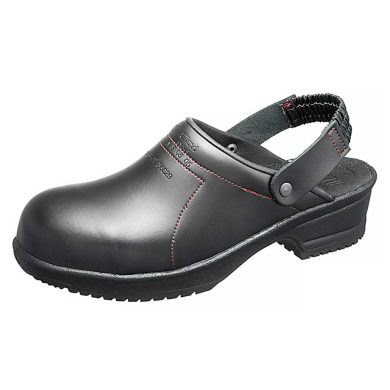
Sievi RIFF-SBAE ESD Safety Clogs
£58.00Buy Now -
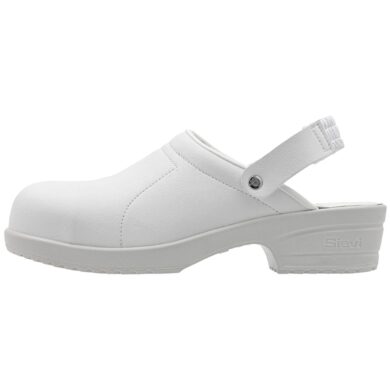
Sievi Riff White ESD Cleanroom Safety Clogs
£59.00Buy Now -
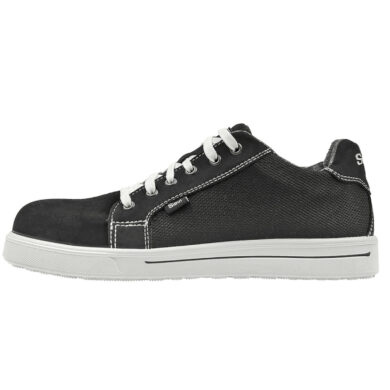
Sievi Planar 1 S3 ESD Safety Shoes
£110.00Buy Now -
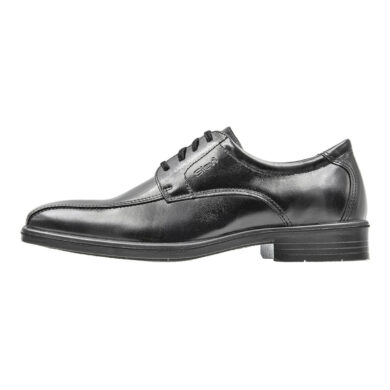
Sievi Mark Leather Professional ESD Shoes
£104.00Buy Now -
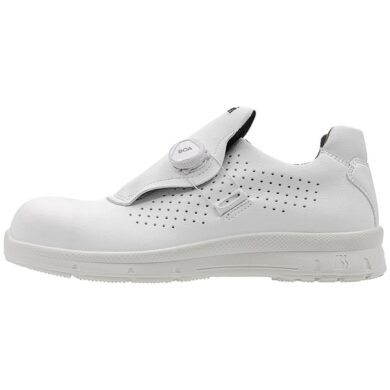
Sievi Vent White Roller ESD Cleanroom Safety Shoes
£120.00Buy Now -
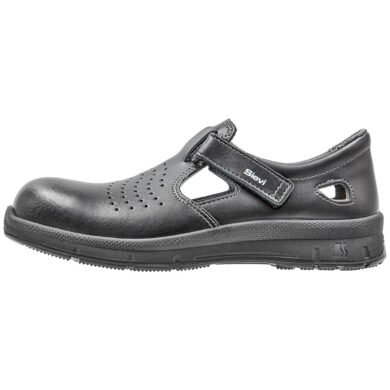
Sievi Targa S1 Ladies ESD Safety Sandal
£73.00Buy Now -
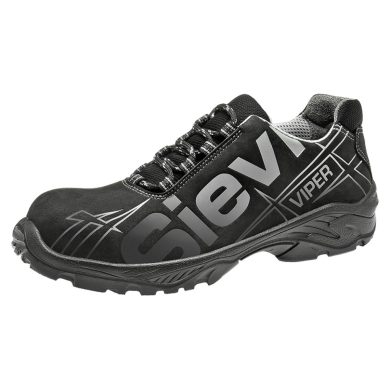
Sievi Viper 3 S3 ESD Safety Shoes
£99.00Buy Now -
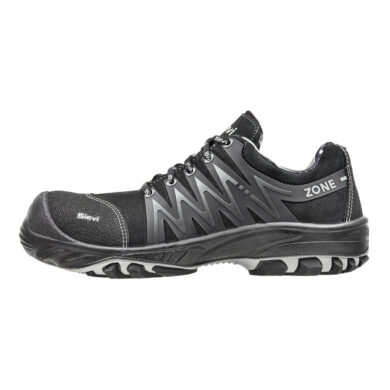
Sievi Zone 2+ S3L ESD Composite Safety Shoe
£135.00Buy Now -
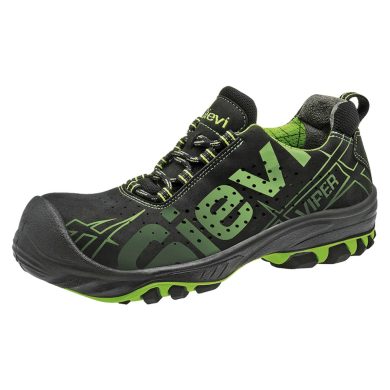
Sievi Viper 1+ S1 ESD Composite Safety Shoes
£115.00Buy Now -
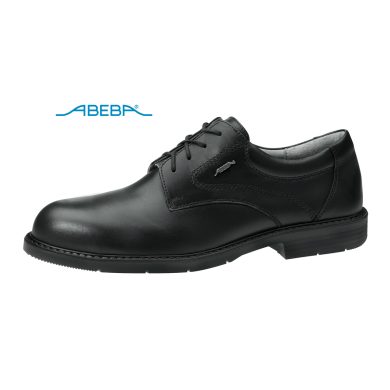
Abeba ESD Safety Shoes
£122.00Buy Now
Shoes and sizes available to buy through our website can be returned for replacement subject to our SSE ESD Shoes Returns Policy – Click Here for details, meaning they can be returned or exchanged for a different size or style with ease.
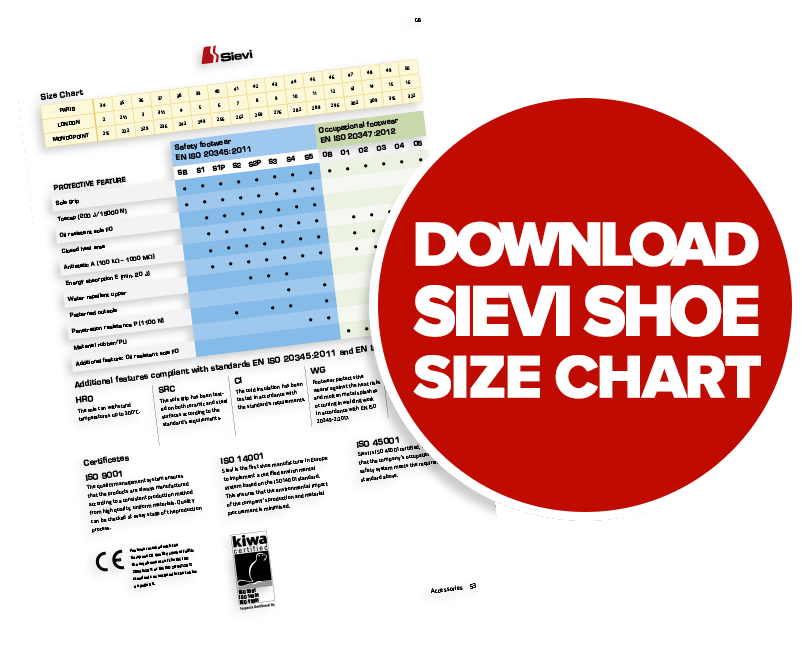
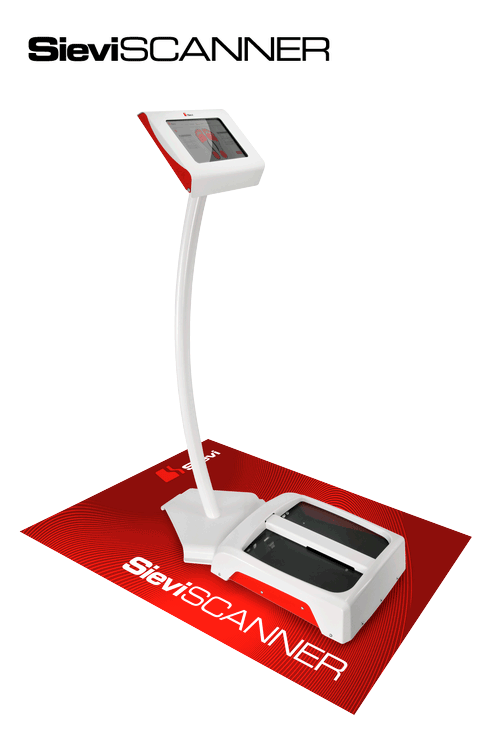
Not sure which style is right for you? Contact us about our free onsite measuring service using the SieviSCANNER – click here for more information, or browse the full Sievi 2026 catalogue and size chart below.
Styles and sizes not available to buy through our website are not able to be returned unless faulty or damaged.
Sievi ESD shoes safely dissipate static electricity from the wearer through the footwear and into an ESD floor. This helps protect sensitive electronic components in static controlled environments. All of our shoes available to buy online conform to BS EN IEC 61340-5-1.
Anyone working in or entering an EPA (Electrostatic Protected Area) — from electronics manufacturing and semiconductor production to defence and cleanroom environments — needs a reliable method of grounding. ESD footwear works in combination with an ESD floor to form a continuous conductive path from the body to ground, preventing the build-up of static charge that can damage sensitive electronic components.
ESD shoes are therefore essential for providing a reliable and controlled method of discharging the body’s static electricity through an ESD floor. SSE supplies premium quality static control footwear, made for both exceptional performance and comfort, fully conforming with the requirements of BS EN IEC 61340-5-1.
Click here for our ESD Flooring options.
Not all anti-static footwear is equal. Genuine ESD shoes feature conductive insoles and sole construction that deliver a consistent resistance typically below 35 MΩ, meeting the requirements of BS EN IEC 61340-5-1. SSE is an authorised UK distributor for Sievi — the largest footwear manufacturer in Northern Europe — offering a range of ESD safety shoes, ESD safety boots, ESD trainers, and ESD cleanroom clogs to suit every workplace and role.
All Sievi ESD shoes feature non-slip, non-marking soles and are designed for all-day comfort, with exclusive technologies including FlexStep® and 3D-dry®.
Click here for to find our more about ESD and controls that can be put in place to minimise risk.
Click the links below to view the full Sievi range catalogue, full price list, and the Sievi shoe size chart.
Links:

FAQ: ESD Shoes
What are ESD shoes?
ESD shoes are specialist footwear designed to help control static electricity by safely dissipating charge from the wearer through the footwear and into an ESD flooring system. In simple terms, they help prevent static build-up on people working in environments where sensitive electronic components are handled.
In our experience, most customers using ESD shoes are working in electronics manufacturing, PCB assembly, testing environments, laboratories, or cleanroom-style production areas where even a small static discharge can cause expensive damage or hidden product faults.
ESD footwear is normally used as part of a wider ESD control programme, rather than as a standalone product.
Do ESD shoes need an ESD floor?
Yes — in almost all real-world applications, ESD shoes are designed to work together with an ESD floor.
We often see confusion here. Customers sometimes assume the shoes alone provide protection, but the footwear is only one part of the discharge path. The floor completes the circuit by safely carrying the charge away to ground.
If you have ESD shoes but no ESD flooring, performance can be inconsistent, and in most cases you will not achieve reliable grounding.
That’s why ESD footwear systems are always specified as a person + shoe + floor system, not just footwear on its own.
Click here for our ESD Flooring options.
What is the difference between ESD shoes and antistatic shoes?
This is one of the most common questions we get.
Antistatic shoes are designed mainly to reduce the build-up of static electricity on the wearer. They are often used for general workplace safety, especially where static sparks could be a nuisance or a minor hazard.
ESD shoes go a step further. They are designed specifically for environments where static could damage sensitive electronic components, and they are typically used as part of controlled EPA (Electrostatic Protected Area) systems.
In practice:
- Antistatic = reduces static build-up on people
- ESD footwear = controlled discharge to protect electronics
It’s also worth noting that while all ESD shoes are antistatic, not all antistatic shoes meet ESD requirements for electronics manufacturing.
Are ESD shoes required for BS EN IEC 61340-5-1 compliance?
In many environments, yes — ESD footwear is one of the most common ways to meet personnel grounding requirements under BS EN IEC 61340-5-1.
However, the key point is that the standard is focused on the overall ESD control programme, not just footwear on its own.
From what we see in practice, compliance usually depends on:
- ESD footwear
- ESD flooring
- Regular testing of personnel grounding
- Defined EPA procedures
ESD shoes are typically the most practical solution for standing or mobile operators, but they must be part of a correctly designed system.
How are ESD shoes tested?
ESD footwear is tested by measuring electrical resistance through the person-shoe-floor system to ensure static can be safely dissipated at a controlled rate.
In real working environments, most companies don’t just test the shoes in isolation. Instead, they use ESD test stations at the entrance to controlled areas to verify the combined performance of the person wearing the footwear – click here to see our range of footwear and wrist strap testers.
We always recommend routine testing as part of site procedures, because footwear performance can change over time due to wear, contamination, or moisture conditions.
How long do ESD shoes last?
There isn’t a fixed lifespan, because it depends heavily on how and where they are used.
From experience, the biggest factors are:
- Daily wear time
- Type of flooring
- Workplace contamination (dust, oils, debris)
- How regularly they are cleaned and tested
What often gets overlooked is that ESD performance can degrade before the shoe visibly looks worn. That’s why regular testing is more reliable than visual inspection alone.
Which ESD shoes are best for electronics manufacturing?
There isn’t a single “best” type — it depends on the environment and job role.
In general, we see:
- Lightweight ESD trainers used in electronics assembly and production lines
- ESD safety shoes used where mechanical protection (e.g. toe caps) is also required
- More robust footwear used in warehouse or logistics areas supporting production
The key is balancing:
- ESD performance
- Comfort for long shifts
- Required safety classification
- Compatibility with your flooring system
Most customers get the best results when footwear is chosen alongside their ESD flooring specification rather than in isolation.
Can ESD shoes be used in cleanrooms?
Yes, but only when the footwear is specifically designed for controlled environments.
Cleanroom ESD shoes need to meet two requirements at the same time:
- Electrostatic control (ESD performance)
- Low particle generation (cleanroom compatibility)
In practice, this usually means specialised designs such as sealed materials, low-lint construction, and easy-clean surfaces suitable for regulated environments like medical device manufacturing, semiconductor production, or pharmaceutical facilities.